


About Us
Migration Impact Collective is a Canadian non-profit working alongside refugee-led organisations to close the gap between refugee rights and refugee self-reliance.
Founded in 2022, our work is evidence-led, refugee-shaped, and reform-bound. We research the barriers displaced people face, partner with the people policy is meant to serve, and advocate for migration governance that delivers economic inclusion.
Mission Statement
Migration Impact Collective works alongside refugee-led organisations to close the gap between refugee rights and refugee self-reliance. We produce evidence on the structural barriers displaced people face, support reform of the policies that create those barriers, and strengthen the leadership of refugee-led civil society. No policy about displaced people should be made without them.
Our Work
Services
Our main services are:
-
Research;
-
Policy and advocacy; and
-
Community engagement.
We produce evidence on the structural barriers to refugee self-reliance, translate that evidence into policy reform proposals for governments and multilateral bodies, and share capacity with the refugee-led organisations that anchor our work.
Each service stands alone, and together they form the full chain from question to evidence to reform.
Projects
Our services translate into the following projects:
-
Field studies on refugee documentation, employment, education access, and economic inclusion.
-
Comparative research across national contexts, policy briefs, legislative analyses, submissions to multilateral processes, programme evaluations, and monitoring frameworks.
-
Capacity programmes, fellowships, and co-authored publications with refugee-led organisations.
Each project is co-designed with the partners with lived experience, and each output is built to inform decisions of governments, donors, and implementing partners.
Regions
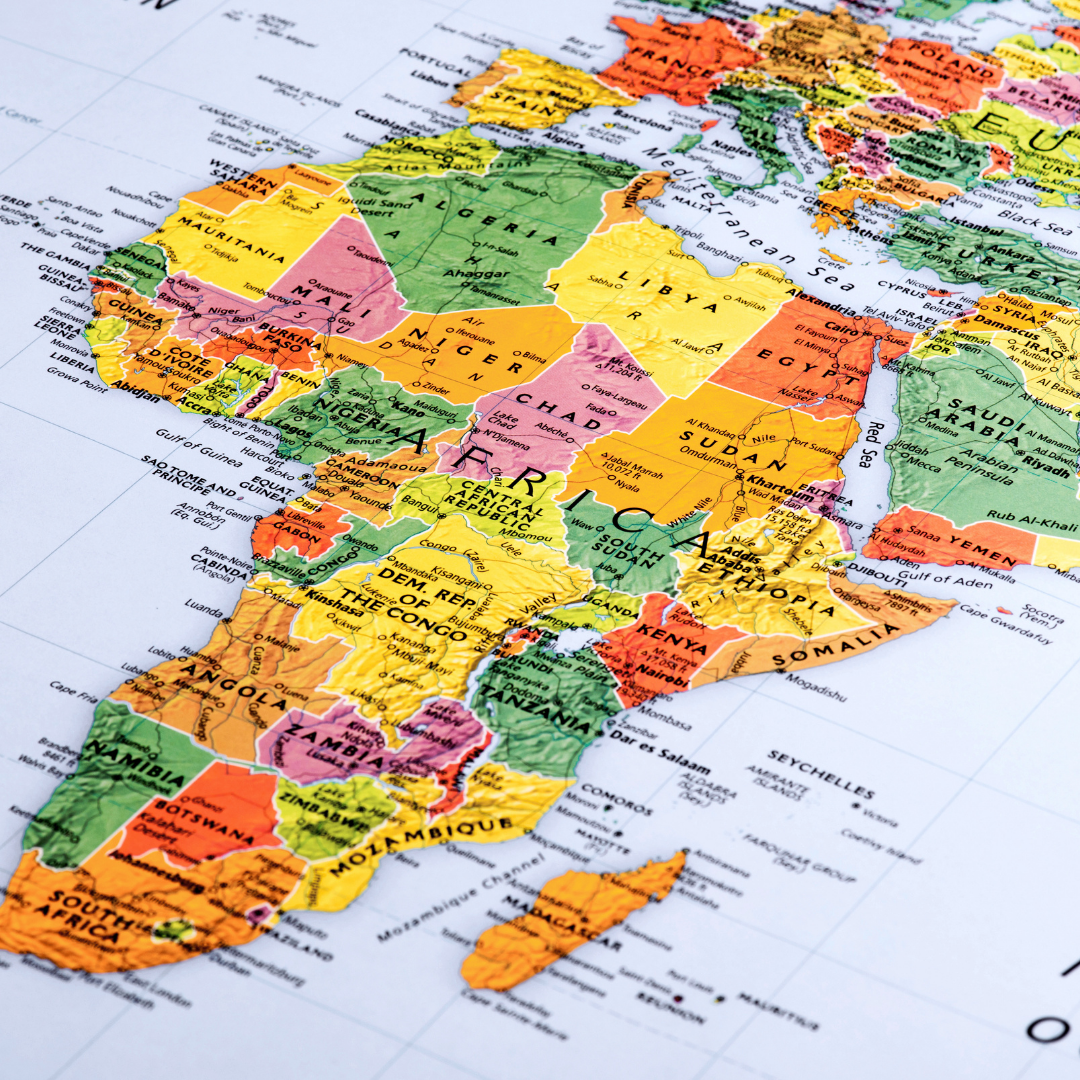
We work in countries where displacement pressures outpace the legal and economic systems available to absorb them: refugee-hosting states, low- and middle-income contexts carrying disproportionate responsibility, jurisdictions outside the 1951 Convention, and contexts where migration governance is weak, contested, or under reform.
These are the places where evidence and refugee-led partnership are most needed, and where reform makes the largest difference.
Regional expertise: East Africa, South Asia, Europe, North America, Middle East
Goals
We work to close the gap between refugee rights and refugee economic self-reliance. We aim to produce the evidence that exposes structural barriers, support the policy reforms that remove them, and strengthen the refugee-led organisations that lead this work in their own contexts. The longer-term goal is a migration governance system that includes the people it governs.
We are committed to doing our part to achieving the 17 Sustainable Development Goals as defined by the UN 2030 Agenda for Sustainable Development. Specifically, our work is guided by the following Sustainable Development Goals (SDGs)


Clients
Our clients include foundations, multilateral bodies, government agencies, NGOs, refugee-led organisations, academic institutions, and impact investors.
They hire us for research design, policy analysis, programme evaluation, and capacity work that holds up under funder, government, and partner scrutiny.
Every engagement is methodologically sound, co-designed with the populations it concerns, and built to produce outputs that inform decisions, strengthen programmes, and advance refugee economic inclusion across the contexts our clients work in.

Upcoming Projects to Fund
Data and analysis is an essential component to policy. Global Rights Defenders prides themselves as research experts committed to understanding barriers to socio-economic integration. Currently, we are leading a research project at Kakuma Refugee Camp, Kenya to understand some of those barriers and to inform global audiences.
Global Displacement and the Case for Action

122 Million People Globally Displaced
More than one in every seventy people on Earth.A crisis doubling in a decade. A response retreating.
The Scale
122 Million People Globally Displaced
As of June 2026, more than 1 in every 70 people on Earth has been forced to flee.
42.5 M
refugees
67.8M
internally displaced
8.42 M
asylum-seekers
4.4 M
stateless
Who Hosts Them
The responsibility is shared unfairly
5 Countries
host over a third of the world refugees: Colombia, Germany, Turkiye Iran, and Uganda
71%
of refugees are hosted by low- and middle-income nations
Two-thirds
live in countries bordering the ones they fled
A quarter
of the worlds refugees shelter in the 44 Least Developed Countries, the poorest states
The Funding Crisis
The worst humanitarian funding crisis on record
Displacement has nearly doubled in a decade, from 65 million to over 122 million, while funding has gone the other way.
8.5 Billion
UNHCRs 2026 budget, 20% smaller than 2025, back to where it stood a decade ago
18%
of needed funding pledged
96%
of 2025 funding decline from top 5 donors
Facing tight budgets, rising defence costs, and populist pressure, donor governments are prioritising migration control and strategic interests over humanitarian need.
The UN Secretary-General calls it “a race to bankruptcy.”
The Rights Gap
Refugee rights exist on paper.
In practice, the gap is widening.
62%
of refugees have the legal right to work, though many do not in practice
67%
have freedom of movement, though many do not in practice
<50%
refugee children have attended school
149
states have signed the 1951 Convention, though not all have migration governance measures
44
UN states have not, with no integration measures such as Migration Governance
1 in 3 refugees, about 14 million people, cannot move freely. Many of the biggest host states confine them to camps or designated settlements through law, decree, or daily practice.
Turn Concern into Impact
Join Us
Migration Impact Collective: works with the people who fund, design, deliver, and advocate for refugee policy. If you are one of them, here is how to engage.
Foundations and government funders: Fund our active research on the structural barriers to refugee economic inclusion, or commission new work in a country or thematic area you support.
Refugee-led Organisations: Partner with us on research, policy submissions, capacity programmes, and co-authored publications. Partnership is structured around shared authorship, not one-way delivery.
NGOs, academic institutions, and multilateral bodies: Hire us for research design, policy analysis, programme evaluation, and monitoring frameworks.
Individual donors: Direct contributions go to active research and to the fellowships that bring refugee researchers into the work.
Stay informed: Subscribe to receive our research, briefs, and policy updates as they are published.

OUR CLIENTS & PARTNERS

"Genuine people giving us hope while away from Home."
— Pascal, Action pour le Progres, Kakuma Refugee Camp Kenya
TESTIMONIALS
With Migration Impact Collective, we can discuss our shared visions for advocating for inclusive policy changes and implementation for refugees in Kenya
— Youth Voices Community, Nairobi
Presence in our refugee camp will bring back hope and will change many lives of refugees we are warmly invite to Uganda as well"
— Nakivale Refugee Camp, Uganda